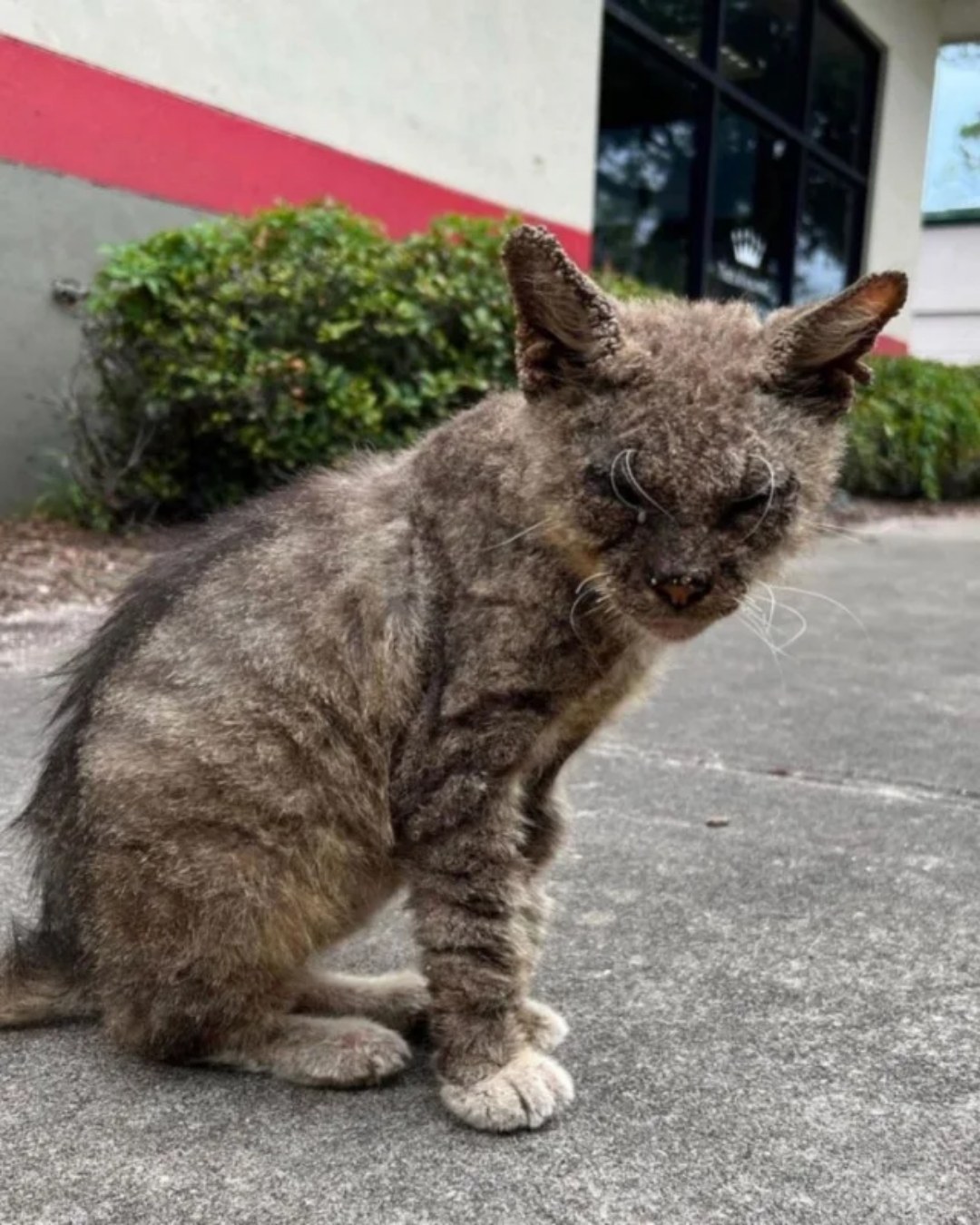
Caring for stray cats is a path few willingly take, yet for those who do, it becomes a calling rather than a choice. The world often overlooks the quiet struggles of these small, vulnerable creatures, and the people who dedicate themselves to their care become the unsung heroes of compassion. Every day is a mixture of uncertainty, patience, and hope.
Stephany Mullis Johnston embodies this journey. Her work with stray and feral cats is more than a hobby—it is a life mission. “They don’t have a voice or choice, but we do,” she explained. “We can take responsibility and help the feral cat population.”
Johnston’s mornings begin early. Before sunrise, she moves through neighborhoods, scanning for new arrivals or cats that might need urgent care. Some of these animals are timid, wary from a life of survival on the streets. Others are injured, suffering silently, hiding behind fences or under cars. Each encounter brings a mixture of relief and tension—the relief that there’s a chance to help, and the tension of knowing how delicate the situation can be.
Providing care is more than feeding or giving medical attention. It is about building trust. A feral cat cannot be rushed or forced; it requires patience that can stretch for weeks or months. Johnston speaks of small victories—the first time a cat allows her to approach, the moment they accept food directly from her hand, the soft purr that signals trust and comfort. These moments are the milestones of her work, far more significant than any public recognition.

Trap-Neuter-Return (TNR) programs form a cornerstone of her efforts. These programs reduce overpopulation humanely, preventing the suffering that comes with uncontrolled breeding. The process is never simple. It involves tracking cats, setting traps, and ensuring they receive proper care before being released back to their familiar environments. Each cat returned is a silent testament to the respect and responsibility Johnston believes humans owe to animals who cannot speak for themselves.
Yet, the emotional side of rescue is often overlooked. Seeing kittens grow healthy after initial struggles brings unparalleled joy, while losing a cat to illness or injury can be devastating. Johnston admits to nights spent worrying about her charges, wondering if they found enough shelter from the rain or food from human hands. Her empathy is unyielding, and it fuels her persistence.
Caring for strays also extends beyond direct action. Johnston engages with local communities, educating residents on humane treatment, proper feeding practices, and the importance of sterilization. Her belief is simple: collective responsibility can create lasting change. Each person who learns to respect and protect stray cats contributes to a safer, more compassionate environment.

Social media has become a powerful tool in her mission. Photographs of rescued cats, stories of their recovery, and calls for assistance connect her to a wider audience. Donations, volunteer support, and foster homes have all grown through these networks. But Johnston emphasizes that the heart behind the work is what truly matters. Technology can aid the process, but it cannot replace the human commitment and emotional investment required to make a real difference.
Her journey teaches profound lessons about patience, resilience, and empathy. Stray cats, with their cautious steps and wary eyes, reflect the challenges many face in life: fear, uncertainty, and the constant need for survival. Those who help them offer more than food or medical care—they provide safety, comfort, and a reminder that someone cares.
Through her dedication, Johnston has transformed lives—both feline and human. The cats she rescues thrive in ways that defy the limitations of their beginnings, and those who witness her work often find themselves inspired to take action in their own communities. It is a ripple effect of kindness, one small act at a time.

Ultimately, the work of caring for stray cats is a labor of love. It requires more than time and energy; it demands courage, patience, and unwavering empathy. As Johnston notes, “We have the choice to act. They don’t. That’s why it matters.” Her story is a reminder that meaningful change often begins quietly, with dedication that is measured not in accolades, but in lives transformed and trust earned.

In a world that sometimes overlooks the powerless, the commitment to stray cats illuminates the profound impact of compassion. Johnston’s journey is a testament to the difference one person can make—a narrative of hope, resilience, and human kindness, lived every day in the eyes of those who cannot speak but are deeply felt.