Skip to content

For4News

Stay Informed

  • Home
  • Contact US
  • Terms and Conditions
  • Privacy Policy
  • Toggle search form

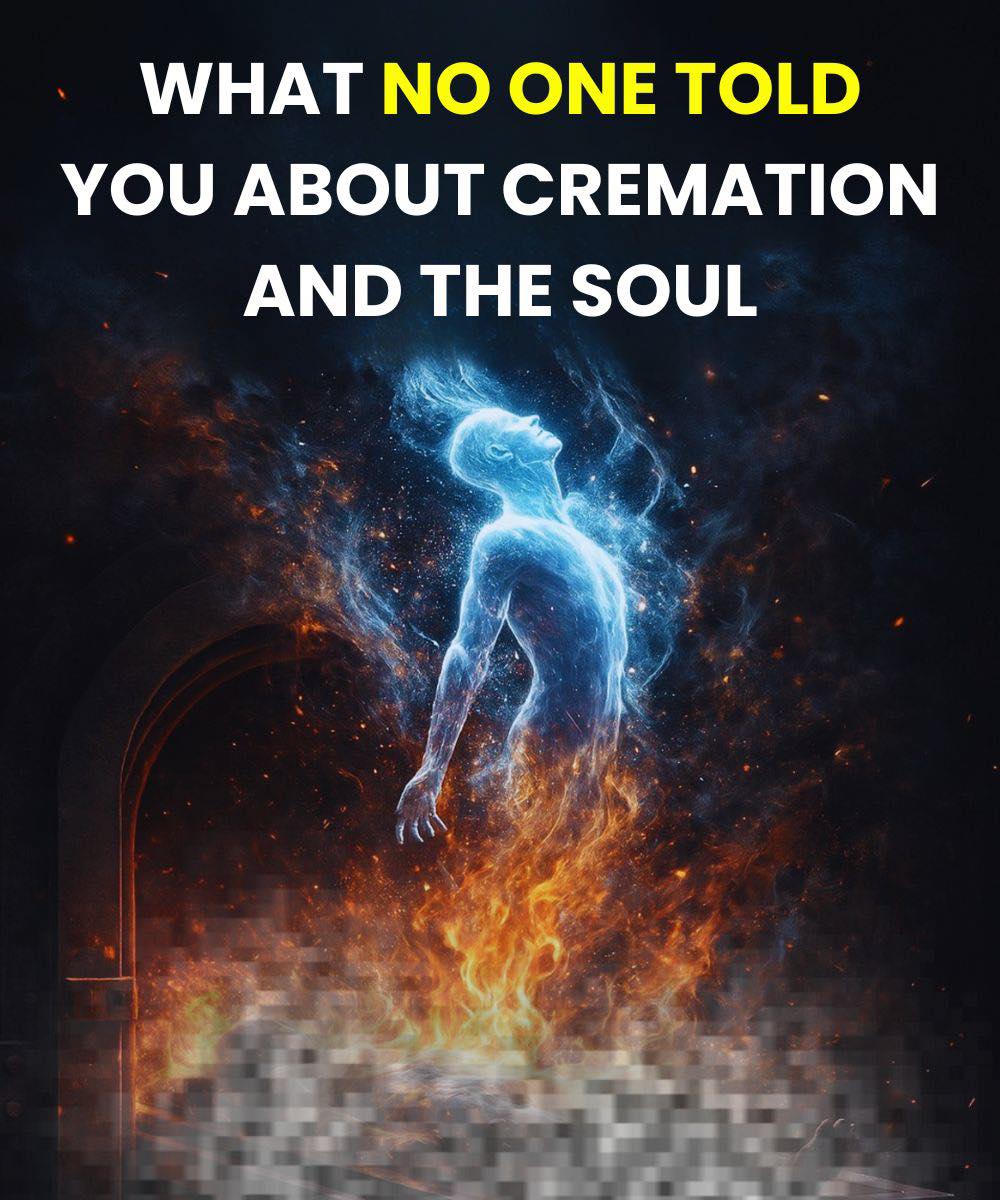
What no one told you about cremation and the soul

Posted on December 15, 2025 By dyjqt No Comments on What no one told you about cremation and the soul

Today, cremation has become increasingly widespread across many cultures and religious traditions. For Christians, however, it often raises an important spiritual question: Is cremation considered sinful, and what guidance does the Bible offer?

Cremation and Scripture

Scripture does not directly address cremation, but it includes passages that are often referenced when discussing how the body is treated after death. Throughout biblical history, burial was the customary practice among the Israelites. This is seen in accounts such as Abraham purchasing a burial place for his wife Sarah (Genesis 23:19) and Joseph’s remains being returned from Egypt for burial in Canaan (Joshua 24:32).

By contrast, the burning of bodies appears in the Bible primarily in contexts of punishment or disgrace (Joshua 7:25; 1 Samuel 31:12). These examples, however, describe specific circumstances and do not establish a clear theological ruling that condemns cremation as inherently sinful.

Theological Perspectives

Many theologians note that because the Bible does not explicitly forbid cremation, the choice may be shaped by personal belief or cultural custom. Christian teaching centers on the resurrection of the body (1 Corinthians 15:42–44), while also affirming God’s unlimited power to raise the dead, regardless of how a body has returned to dust.

Others emphasize honoring the body as the temple of the Holy Spirit (1 Corinthians 6:19–20), suggesting that burial better reflects reverence for the physical form. Even so, this view generally promotes burial as a preference rather than labeling cremation as a moral offense.

Contemporary and Cultural Considerations

In today’s world, people often choose cremation for practical reasons, including affordability, environmental impact, or personal wishes. As a result, many Christian denominations have adopted a more flexible position. The Catholic Church, for instance, allows cremation as long as it does not symbolize rejection of belief in the bodily resurrection.

Conclusion

In the end, the Bible does not clearly denounce cremation or define it as a sin. The decision between burial and cremation is best guided by personal conscience, faith, and thoughtful spiritual counsel. Above all, Christian belief rests not in the method of burial, but in trust in God’s promise of resurrection and eternal life.

News

Post navigation

Previous Post: 10 Things You Must Never Do While GrievingA gentle reminder for hearts that are hurting Grief is not something you “fix.” It is something you slowly learn to live with, breathe with, and carry in your own quiet way. Some days you may feel strong. Other days, simply getting out of bed may feel impossible. And that’s okay. There is no perfect way to grieve—but there are a few gentle boundaries that can protect your heart as you move through this painful season. Here are ten things to be mindful of as you grieve. 1. Don’t force your feelings to stay hidden You do not have to be brave all the time. Tears are not weakness—they are the language of love and loss. If you need to cry, cry. If you feel angry, confused, or numb, let those feelings exist. Your emotions deserve space. 2. Don’t rush yourself to “be okay” Healing has no deadline. Some wounds take longer to soften, and that doesn’t mean you are failing. You are allowed to take your time. One slow breath at a time is still progress. 3. Don’t walk through this completely alone Wanting quiet and solitude is natural—but disappearing from everyone can deepen the ache. You don’t have to talk about your pain if you’re not ready. Just sitting with someone who cares can remind you that you are still held in this world. 4. Don’t measure your grief against anyone else’s Your pain does not need to look like anyone else’s to be real. Some people cry loudly. Some grieve in silence. Some collapse. Some keep going. All of it is valid. Your grief is yours alone. 5. Don’t try to numb the pain away It’s tempting to escape what hurts—but temporary numbness often creates deeper wounds later. You deserve real healing, not borrowed peace that fades and leaves more pain behind. 6. Don’t make life-changing decisions while your heart is breaking Grief can cloud your thoughts and pull you toward sudden choices. If you can, pause. Give yourself time before making decisions that cannot easily be undone. Let your heart steady first. 7. Don’t forget your body in the middle of the sorrow Grief lives in the body too—through exhaustion, loss of appetite, tension, and illness. Try, gently, to care for yourself. Drink water. Eat what you can. Rest when your body asks you to. Survival is enough for now. arrow_forward_iosRead more Pause 00:00 00:05 01:31 Mute Powered by GliaStudios 8. Don’t let others tell you how your grief should look Some people mean well but speak too soon. “Be strong.” “Move on.” “Everything happens for a reason.” You are not required to match their expectations. Your grief belongs to you. 9. Don’t turn the pain inward as blame Guilt often follows loss—but it does not mean you are at fault. You loved the best you could with the knowledge and strength you had at the time. That is enough. You are enough. 10. Don’t believe this pain is all your life will ever be Grief changes you forever—but it does not mean your story ends here. One day, the memories will still hurt, but they may also begin to warm you again. Healing doesn’t mean forgetting. It means learning how to carry love without bleeding from it. A Gentle Closing Thought If you are grieving right now, please remember this: You are not broken. You are hurting because you loved deeply. And that kind of pain speaks of a heart that once held something precious. There is no finish line. No perfect recovery. Just small steps, taken gently, in the direction of light. And even on the days you feel lost— You are still moving forward.
Next Post: What are “body whispers,” the signs that may indicate ca:nc.er, according to science?

Leave a Reply Cancel reply

Your email address will not be published. Required fields are marked *

Copyright © 2025 For4News.

Powered by PressBook WordPress theme