
For centuries, oregano has been more than just a fragrant culinary herb. From the kitchens of the Mediterranean to the pharmacopoeias of ancient civilizations, oregano (Origanum vulgare) has been revered not only for its flavor but also for its therapeutic potential. In recent decades, modern science has begun to uncover the mechanisms behind these health-promoting properties, offering evidence-based insights into how oregano may support human wellness.

1. Phytochemical Richness of Oregano
Oregano’s benefits stem largely from its unique chemical composition. The herb is rich in essential oils, phenolic compounds, and flavonoids that contribute to both its taste and its bioactivity. Key constituents include:
-
Carvacrol – a powerful phenolic compound known for its antimicrobial and anti-inflammatory properties.
-
Thymol – another phenolic that works synergistically with carvacrol, offering antiseptic and antioxidant effects.
-
Rosmarinic acid – a potent antioxidant that may protect cells from oxidative stress.
-
Terpenes and flavonoids – compounds that support immune modulation and may offer protective effects against chronic disease.
These compounds are highly concentrated in oregano essential oil, but they are also present, in smaller amounts, in the dried herb commonly used in cooking.

2. Antimicrobial and Antiviral Properties
Perhaps the most well-documented benefit of oregano is its antimicrobial activity. Studies have demonstrated that carvacrol and thymol disrupt the cell membranes of harmful bacteria, leading to leakage of cell contents and eventual death of the microorganism.
-
Bacterial infections: Oregano oil has been shown to inhibit pathogens such as Escherichia coli, Staphylococcus aureus, and Salmonella. This suggests potential applications in food preservation as well as natural remedies for bacterial infections.
-
Fungal activity: Research indicates that oregano oil can inhibit Candida albicans, the yeast responsible for oral and genital thrush, making it a possible complementary therapy in antifungal treatment.
-
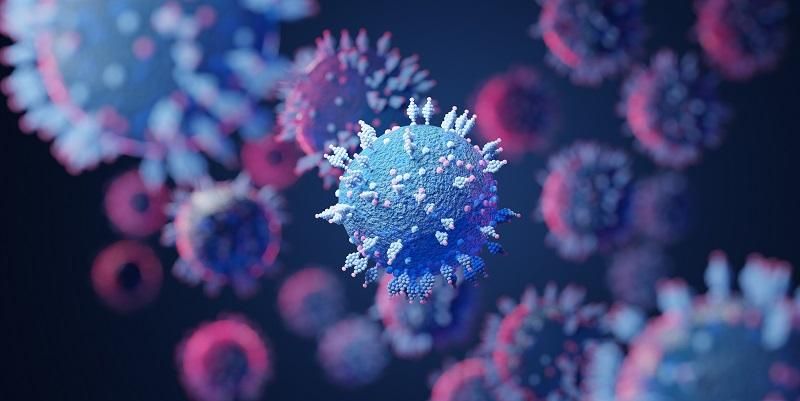
Viral defense: Preliminary studies suggest oregano extracts may reduce viral replication in certain viruses, including norovirus, though more human clinical trials are needed to confirm this.
3. Antioxidant and Anti-Inflammatory Effects
Oxidative stress is a key factor in aging and chronic disease, including cardiovascular disorders, diabetes, and neurodegeneration. Oregano contains high levels of antioxidants such as rosmarinic acid and flavonoids, which neutralize free radicals.
-
Cellular protection: These antioxidants help reduce DNA damage and lipid peroxidation, protecting vital cellular components.
-
Inflammatory pathways: Carvacrol and thymol have been found to modulate pro-inflammatory cytokines, which may help alleviate symptoms of conditions such as arthritis and metabolic syndrome.
4. Potential Cardiovascular Benefits
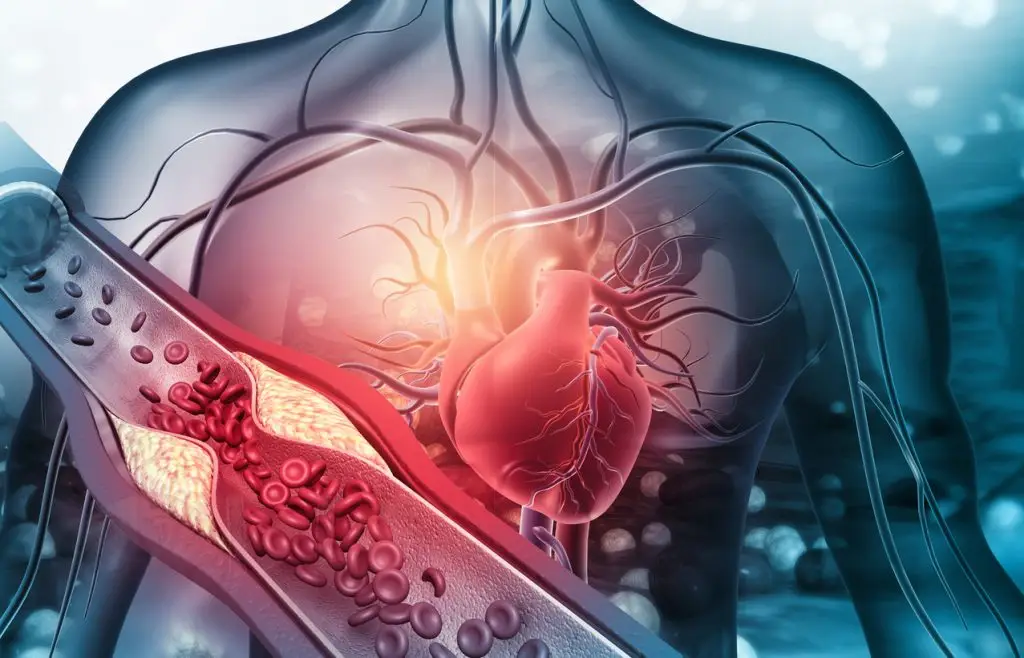
Emerging research suggests oregano may play a role in supporting cardiovascular health:
-
Cholesterol management: Animal studies indicate that oregano supplementation may lower LDL (“bad”) cholesterol while raising HDL (“good”) cholesterol.
-
Blood pressure regulation: Some bioactive compounds in oregano appear to promote vasodilation, which could contribute to healthier blood pressure levels.
-
Anti-thrombotic effects: Oregano’s flavonoids may reduce platelet aggregation, lowering the risk of clot formation.
While promising, more large-scale human studies are required to validate these effects.
5. Gut and Digestive Health
In traditional medicine, oregano has long been used to ease digestive complaints. Modern studies provide some scientific support:
-
Antimicrobial action in the gut: Oregano oil may help reduce pathogenic bacteria while sparing beneficial gut microbiota, supporting microbial balance.
-
Anti-parasitic potential: Some studies suggest oregano extract may be effective against intestinal parasites such as Giardia lamblia.
-
Digestive support: Carminative properties may reduce bloating, indigestion, and gas.

6. Safety Considerations and Usage
Oregano is generally recognized as safe when consumed as a culinary herb. However, oregano essential oil is highly concentrated and should be used with caution.
-
Topical application: Oregano oil may cause skin irritation if not diluted properly with a carrier oil.
-
Internal use: Excessive ingestion of oregano oil may lead to gastrointestinal upset or interfere with certain medications, such as anticoagulants.
-
Pregnancy: High doses are not recommended due to potential uterine-stimulating effects.
Moderate use in cooking is safe and provides a practical way to enjoy oregano’s health benefits. Supplements and essential oils should be used under professional guidance.
7. Future Directions in Oregano Research
Although the current body of research is encouraging, much of it has been conducted in vitro or in animal models. More high-quality, randomized controlled human trials are needed to:
-
Confirm oregano’s role in reducing infection risk.
-
Determine effective dosages for specific conditions.
-
Explore its potential as an adjunct therapy in chronic inflammatory and metabolic disorders.