The nightmare began quietly, as if the world itself had paused before the horror revealed itself. Two bodies were discovered in a Brentwood home, a residence that for decades had symbolized stability, love, and accomplishment. Rob Reiner, the Academy Award-nominated director and actor, and Michele Singer Reiner, his partner of nearly four decades, had once been celebrated not just for their work, but for the warmth of the family they built together in the relentless glare of Hollywood. That façade of normalcy shattered within hours when suspicion fell inward, onto the couple’s own son. The revelation sent shockwaves through the entertainment world, through Hollywood, and through anyone who had ever believed in the notion of family as a sanctuary.
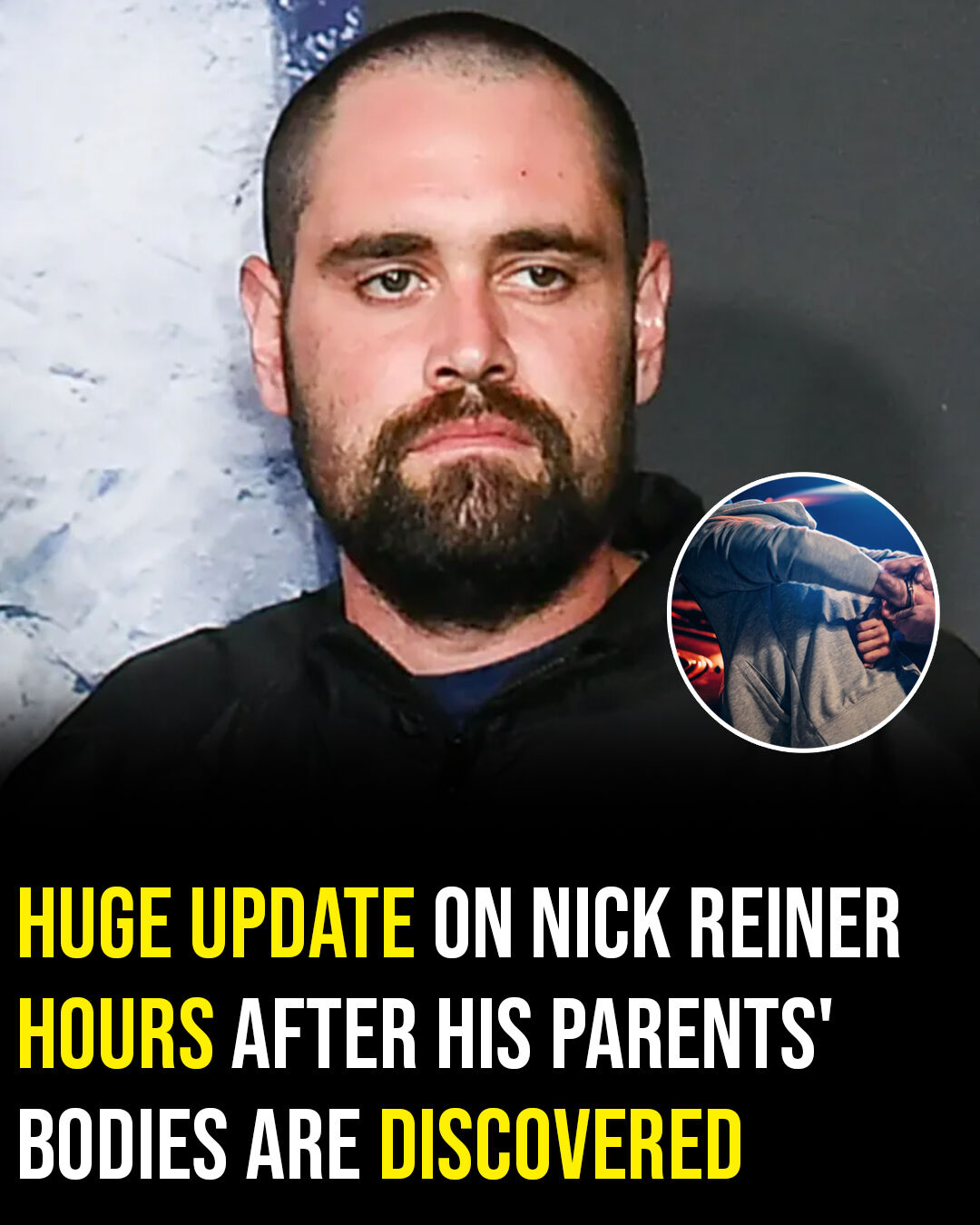
Police responded swiftly, following leads that ultimately led them to 32-year-old Nick Reiner near the USC campus. Arrested on suspicion of the brutal murders, Nick’s detainment marked the start of an investigation that would consume the city, dominate headlines, and haunt those who knew the family personally. The public could scarcely comprehend how a story that had long been familiar—fame, fortune, artistic legacy—had turned into a nightmare so intimate, so terrifying, and so close to home. A family once adored on screen now existed in the stark light of tragedy, with their final hours clouded by a holiday party, a father–son argument, and a descent into violence that no one saw coming.
News of Rob and Michele Reiner’s deaths spread with a kind of disbelief usually reserved for the most sensational fiction. Rob, whose performances and directorial works helped define multiple generations of American cinema, was more than a creative genius; he was a beloved figure in homes across the world. Michele, equally admired, had quietly shaped lives around her, bringing grace, intelligence, and unwavering loyalty into every project, social cause, and personal relationship she touched. Their life together, which began decades earlier on the set of a film that would cement Rob’s legendary status, had always seemed unshakable. That the primary suspect was their own son added a layer of heartbreak that transcended comprehension. The narrative was suddenly no longer one of Hollywood magic, but of a family caught in an unfathomable spiral of pain, misunderstanding, and tragedy.
Nick Reiner’s history made the shock even more acute. His long, public struggles with substance abuse and homelessness were no secret. He had been candid about the cycles of addiction, the months spent in rehabilitation, the nights on the streets, and the semi-autobiographical film he co-wrote with his father, Being Charlie, which dramatized the complexities of his life. Friends, colleagues, and fans had watched him grapple with vulnerability and redemption, rooting for him to find stability. And yet, the very personal demons that had been contained within interviews and cinematic explorations now seemed to erupt with irreversible consequences. The son who had once been the subject of public sympathy was now at the center of a case that intertwined grief, justice, and disbelief.
Hours before the tragedy, family and friends recounted a holiday party that seemed ordinary on the surface: laughter, clinking glasses, the background hum of music, and warm conversations that only insiders could have fully appreciated. Somewhere between the smiles and familiar routines, a confrontation took place—a heated argument, details of which remain under investigation, but which authorities believe played a critical role in the events that followed. The juxtaposition of festivity and fatality underscores the delicate veneer of everyday life: moments of joy and connection can coexist alongside deep fractures that, when triggered, can shatter everything in a heartbeat.
For law enforcement, the investigation is as complex as the family dynamics involved. Detectives from the LAPD’s Robbery-Homicide Division have worked tirelessly to piece together timelines, witness statements, and forensic evidence. Every detail of the Reiners’ lives—social engagements, financial records, communications, and prior interventions for Nick’s struggles—has been scrutinized in search of understanding. While police have avoided releasing full specifics, it is clear that the investigation is methodical, meticulous, and sensitive to the extraordinary circumstances of a family tragedy playing out on a stage visible to the world.
The emotional resonance of the case cannot be overstated. Hollywood has reacted with shock and sorrow, flooding social media with tributes to Rob and Michele’s legacy. Former co-stars, collaborators, and industry leaders have shared memories that recall both professional brilliance and personal warmth. Rob’s films—This Is Spinal Tap, Stand By Me, The Princess Bride, When Harry Met Sally…, Misery, and A Few Good Men—are being revisited as more than entertainment; they are touchstones of the man whose vision, humor, and empathy shaped countless lives. Michele’s advocacy and creative contributions, often quieter but no less impactful, have prompted reflections on how she brought intelligence, compassion, and social conscience into the lives she touched.
At the center of it all stands the question of human frailty and family complexity. Nick Reiner, once seen by the public as a figure struggling for redemption, now embodies the tragic reality that even love, fame, and opportunity do not always shield against inner turmoil. Those who loved the family, from extended relatives to friends and colleagues, are grappling with grief layered with shock, disbelief, and a desire to understand why a young man turned so violently against those who nurtured him.
The tragedy has also prompted broader reflection on societal issues. Mental health, substance abuse, and the pressures of legacy and expectation collide in stark relief in the Reiner case. Public discussion has turned to the intersections of fame, family, and the vulnerabilities often hidden behind the polished veneers of success. Psychologists, social commentators, and journalists alike have noted the cautionary tale inherent in this story: even those with material security, acclaim, and parental love can face internal battles that, without intervention, can culminate in catastrophic consequences.
Meanwhile, the Reiner family’s legal representatives have requested privacy, emphasizing the human cost of this story beyond the headlines. Bail has been set at $4 million for Nick Reiner, pending formal charges, while authorities continue to reconstruct the timeline of events. Family statements underscore the profound sorrow, the desire for dignity, and the need to navigate grief away from the glare of public scrutiny. The world has watched in rapt attention, yet those closest to the family remain focused on mourning, understanding, and beginning the slow work of healing.
Ultimately, the deaths of Rob and Michele Reiner are more than a headline; they are a study in contrast between public perception and private reality, the fragility of life, and the heartbreak that can exist even amidst apparent stability and privilege. Their story will reverberate for years in Hollywood, in discussions of family dynamics, and in the hearts of those who loved them. Rob and Michele’s legacy—creative brilliance, social activism, devotion to family, and moral integrity—remains untarnished, even as tragedy reshapes the narrative of their final days.
In the weeks to come, as the investigation continues and the world processes grief alongside the Reiner family, it is clear that the story is not just about loss, but also about reflection, accountability, and the fragility of human connection. Their lives, work, and love touched millions, and even in the face of unimaginable sorrow, their impact will endure—a reminder that even icons of art and culture are, first and foremost, human beings navigating the same storms as everyone else.