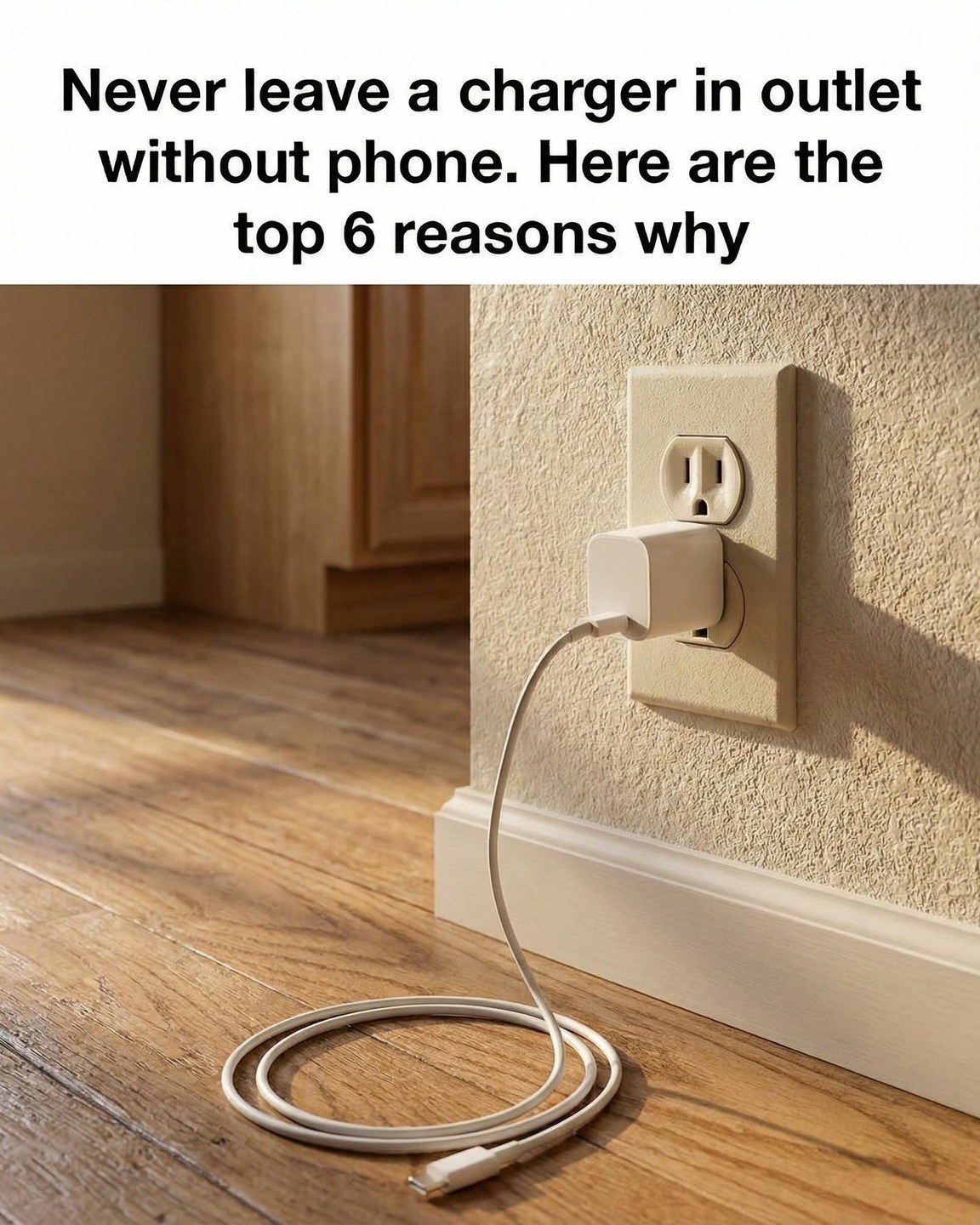
In today’s highly connected homes and workplaces, charging adapters have become an everyday necessity, as ordinary as household appliances like lamps or coffee machines. We depend on them constantly to keep our phones, laptops, tablets, and other electronic devices operational. Because of this dependence, many people have developed the habit of leaving chargers plugged into wall outlets at all times, even when no device is connected. Although this behavior is driven by convenience and often seems harmless, it creates several avoidable problems, including wasted energy, safety concerns, and faster deterioration of the equipment. Becoming more conscious of how chargers operate—even when idle—encourages safer habits that benefit both personal finances and the environment.
1. The Invisible Drain of Standby Power
One of the most commonly ignored consequences of leaving chargers plugged in is standby energy consumption, often referred to as phantom or “vampire” power. Even when no device is attached, a charger continues to draw a small amount of electricity to keep its internal circuitry active and ready for use.
Although the power draw of a single charger is extremely low, the cumulative effect of multiple chargers left plugged in—combined with other electronics that also consume standby power—adds up over time. Over the course of a year, this unnecessary energy use results in higher electricity bills and increased strain on power generation. Simply unplugging chargers when they are not in use is one of the easiest ways to reduce energy waste and improve efficiency.
2. Higher Risk of Overheating and Fire
Electrical safety is another important factor to consider. Chargers function as voltage converters, and like all electronic devices, their components degrade over time. When left plugged in continuously, chargers remain active, producing small amounts of heat that can raise the temperature of both the adapter and the wall outlet.
While certified chargers include built-in safety protections, prolonged exposure to electricity increases the chance of overheating or failure—particularly with older, damaged, or poorly manufactured chargers. Unplugging unused adapters minimizes unnecessary electrical stress and contributes to a safer home or workplace, especially in buildings with aging wiring systems.
3. Exposure to Power Surges
Chargers that remain plugged into outlets are also more vulnerable to power surges and voltage spikes. These sudden bursts of electricity can occur during storms, grid disruptions, or internal electrical faults. A charger connected to an outlet during such events may be damaged instantly, and in some cases, the surge can travel further and affect other devices. Disconnecting chargers when they are not in use removes this risk entirely and offers an added layer of protection for electronic equipment.
4. Faster Wear and Reduced Lifespan
Every charger is built with components that have a limited lifespan. Continuous exposure to electricity—even at low levels—means these components are constantly under mild stress. Repeated heating and cooling cycles gradually weaken internal parts, leading to earlier failure. By unplugging chargers after use, users allow the components to rest, extending the life of the adapter and reducing the need for frequent replacements.
5. Environmental Impact and Electronic Waste
Responsible energy use is closely tied to environmental sustainability. Reducing standby power consumption lowers overall energy demand and helps decrease carbon emissions. In addition, extending the lifespan of chargers means fewer discarded adapters, which helps address the growing problem of electronic waste. E-waste contains both hazardous materials and valuable resources, making disposal and recycling challenging. Simple habits, such as unplugging chargers, contribute to more sustainable consumption and resource management.
6. The Illusion of Convenience
Finally, the habit of leaving chargers plugged in is often based on perceived convenience. However, this convenience can encourage carelessness toward energy use and safety. Taking a moment to unplug a charger is a small but intentional action that promotes mindfulness about resource consumption. Over time, this awareness can lead to more responsible behavior in other areas of daily life.
Conclusion
Although leaving a charger plugged in may seem insignificant, its long-term effects—including higher energy costs, increased safety risks, reduced equipment lifespan, and environmental harm—are far from trivial. By adopting simple and conscious charging habits, such as unplugging adapters when they are not actively in use and choosing reliable, certified products, individuals can create safer, more efficient spaces while making a positive impact on both their finances and the environment.